Hotline
86+13616130802


System pressure is a "barometer" of the operating status of cold storage refrigeration systems. Excessively high discharge temperature, as well as excessively high or low pressure, are typical abnormal operating conditions. Such problems are mostly caused by insufficient refrigerant, dirty oil coolers, sensor failures and other factors. Though seemingly a single parameter abnormality, they actually hide multiple hidden dangers. If not investigated and dealt with in a timely manner, they will damage the stability of the refrigeration cycle and affect the safe operation of the unit.
The causes of pressure abnormalities are diverse, requiring accurate localization of the root cause. Insufficient refrigerant leads to low system pressure and simultaneous attenuation of refrigerating capacity; dirty oil coolers hinder heat dissipation, causing a surge in discharge temperature and pressure; sensor and valve failures result in distorted pressure detection and ineffective regulation, misleading maintenance judgments; pipeline network leaks trigger both pressure imbalance and refrigerant loss.
The hazards of pressure abnormalities are transmissible. Excessively high pressure increases compressor load, accelerates component aging, and may even cause pipeline bursts; excessively low pressure leads to insufficient refrigeration efficiency, failing to meet the set cold storage temperature; excessively high discharge temperature easily degrades lubricating oil, intensifies internal compressor wear, and forms a "fault superposition" effect.
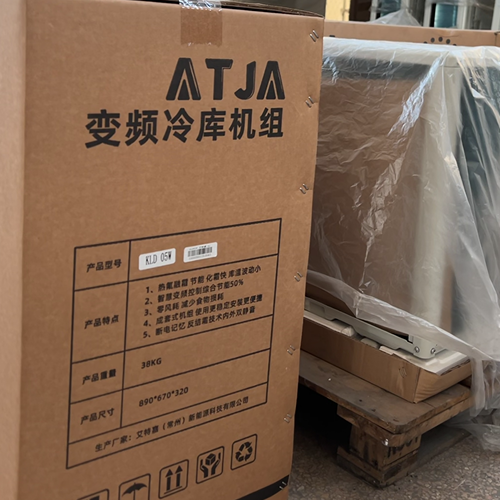
Comprehensive prevention and control are required to avoid pressure abnormalities: regularly detect refrigerant levels, timely supplement and investigate leakage points; periodically clean oil coolers to ensure heat dissipation efficiency; calibrate sensors and inspect valves to ensure accurate regulation; establish pressure inspection accounts, and immediately shut down and investigate when abnormalities are found to prevent fault expansion.
System pressure control is a key link in cold storage maintenance. Conducting good preventive inspections in the early stage and strengthening daily parameter monitoring, although requiring certain efforts, can effectively avoid unit failures caused by pressure abnormalities, maintain the stable and efficient operation of the refrigeration system, and reduce maintenance costs.