Hotline
86+13616130802


Condensers and evaporators are core heat exchange components of cold storage refrigeration systems. Their heat exchange efficiency directly determines the unit's refrigeration effect and operational stability. Among them, condenser clogging and evaporator frosting/icing are core hidden dangers that easily lead to reduced system efficiency and frequent failures.
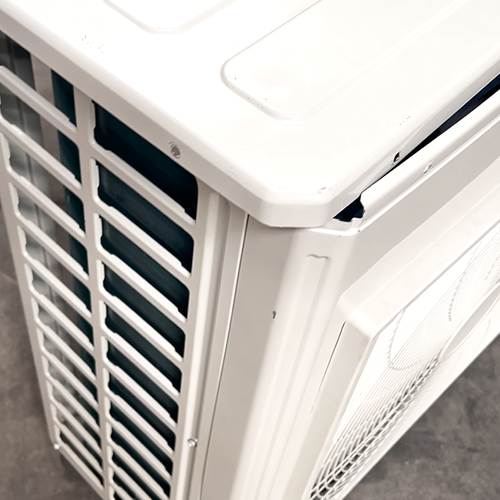
Condenser clogging is mostly caused by dust, debris accumulation or scale adhesion, which will block heat dissipation fins and pipelines, hinder heat emission, lead to increased condensing pressure and sudden drop in refrigeration efficiency, while also increasing the operating load of the compressor, accelerating component aging, and increasing energy consumption and maintenance costs.
Evaporator frosting and icing are mainly caused by improper temperature and humidity control, insufficient air volume or abnormal refrigerant supply. They will cover the heat exchange surface, hinder cold transfer, make the cold storage cool down slowly, fail to reach the set storage temperature, and even block the evaporator pipelines and cause unit shutdown in severe cases.
The superposition of these two hidden dangers will greatly reduce the stability of the refrigeration system, shorten the service life of equipment, and affect the quality of goods storage. It is necessary to regularly clean condenser debris and scale, standardize the control of evaporator temperature, humidity and air volume, timely defrost and deice, eliminate clogging, frosting and icing problems, ensure heat exchange efficiency, and lay a solid foundation for the operation of the cold storage refrigeration system.