Hotline
86+13616130802


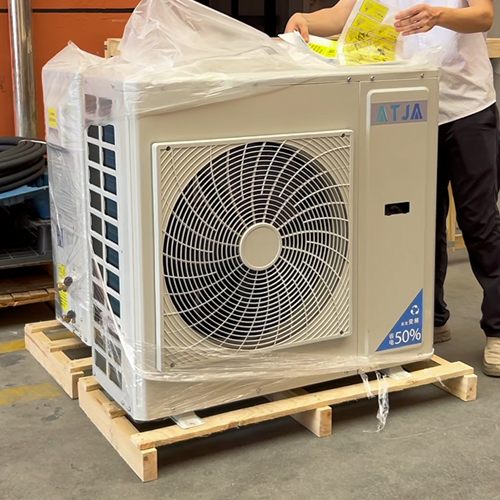
As the core heat dissipation component of a cold storage refrigeration system, the condenser's heat dissipation efficiency directly determines the stable operation of the unit. Poor ventilation, direct sunlight at the selected site, or the presence of heat sources such as boilers and generators nearby will all hinder the condenser's heat dissipation. Though seemingly an oversight in early planning, this will trigger a chain reaction, disrupting the refrigeration cycle balance, increasing unit operating pressure and energy consumption, and posing potential faults.
The three types of environmental issues have distinct impacts on heat dissipation. Poor ventilation causes hot air to accumulate around the condenser, which cannot be replaced in a timely manner, impeding heat emission and significantly reducing heat exchange efficiency. Direct sunlight directly raises the condenser's surface temperature, narrows the temperature difference with the environment, and weakens its heat dissipation capacity. Heat released by surrounding heat sources overlaps with the ambient temperature, further increasing the heat dissipation burden and keeping the condenser in a high-temperature operating condition for a long time.
The hazards of hindered heat dissipation are transmissible. Insufficient heat dissipation from the condenser leads to increased system high pressure and soaring discharge temperature, forcing the compressor to operate at high load. This not only causes a sharp surge in energy consumption but also accelerates the aging of components like the compressor and pipelines. Long-term high-temperature operation degrades lubricating oil performance, intensifies internal wear, and in severe cases, results in compressor cylinder seizure, pipeline bursts, and overall unit shutdown.
To avoid such risks, thorough early planning and subsequent optimization are essential. Prioritize sites with good ventilation and no direct sunlight, and keep away from various heat sources. Reserve sufficient heat dissipation space for the condenser installation, and install sunshades or forced ventilation devices if necessary. Regularly clean up debris around the condenser to prevent blocking the heat dissipation surface and ensure stable heat dissipation efficiency.
The compatibility between cold storage site selection and the condenser's heat dissipation environment is a fundamental prerequisite for efficient unit operation. Scientific planning in the early stage and strengthened environmental management later, though requiring extra considerations, can effectively avoid heat dissipation issues, reduce energy consumption and fault probabilities, and lay a solid foundation for the long-term stable operation of the refrigeration system